


In a rapidly evolving world, where technology and innovation are the driving forces behind progress, automation has emerged as a key player in transforming industries and shaping our future. The art of automation machine design is at the forefront of this revolution, enabling businesses to enhance efficiency, reduce human error, and open up new possibilities. In this blog, we’ll explore the fascinating world of automation machine design and its pivotal role in designing tomorrow.
The Essence of Automation Machine Design
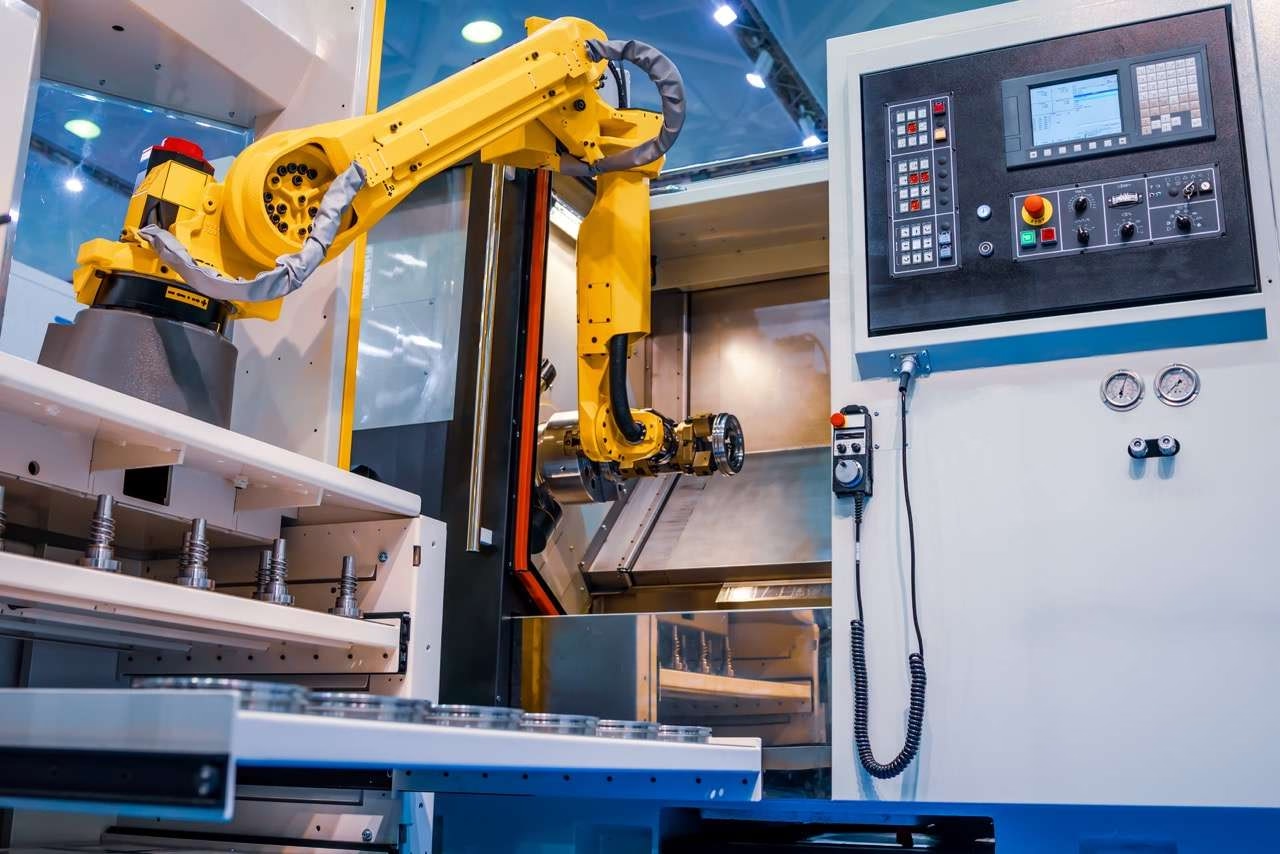
Automation machine design is the art of creating machines and systems that can perform tasks with minimal human intervention. These machines are meticulously engineered to handle repetitive, labor-intensive, and often dangerous tasks, allowing humans to focus on more complex, creative, and value-added activities.
The Driving Forces of Automation
Efficiency
Automation machines are designed to work tirelessly without breaks, leading to higher productivity and efficiency. They can perform tasks with precision, minimizing errors and rework.
Safety
In industries such as manufacturing and healthcare, automation machines can handle hazardous materials and processes, reducing the risk to human workers.
Consistency
Automation ensures that every task is carried out with the same level of accuracy and consistency, regardless of the time of day or external factors.
Cost Savings
While the initial investment in automation machines can be significant, the long-term cost savings are often substantial due to reduced labor costs and increased production.
The Art of Designing Tomorrow
- Innovation and Creativity: Automation machine designers are essentially artists of the future. They envision machines that can push boundaries and challenge the status quo. These designers must constantly innovate to meet the evolving needs of industries.
- Integration of Technologies: Automation machine design is a multidisciplinary field that integrates various technologies such as robotics, artificial intelligence, machine learning, and IoT (Internet of Things). The synergy of these technologies results in intelligent, adaptable machines.
- Customization: Every industry has unique requirements, and automation machines must be tailored to meet these specific needs. Designers must consider factors like size, speed, precision, and safety while creating customized solutions.
- User-Friendly Interfaces: Ease of use is crucial in automation machine design. Intuitive interfaces and user-friendly controls ensure that operators can interact with the machines effectively.
Real-World Applications
Automation machine design is not confined to a single industry; it has a wide range of applications:
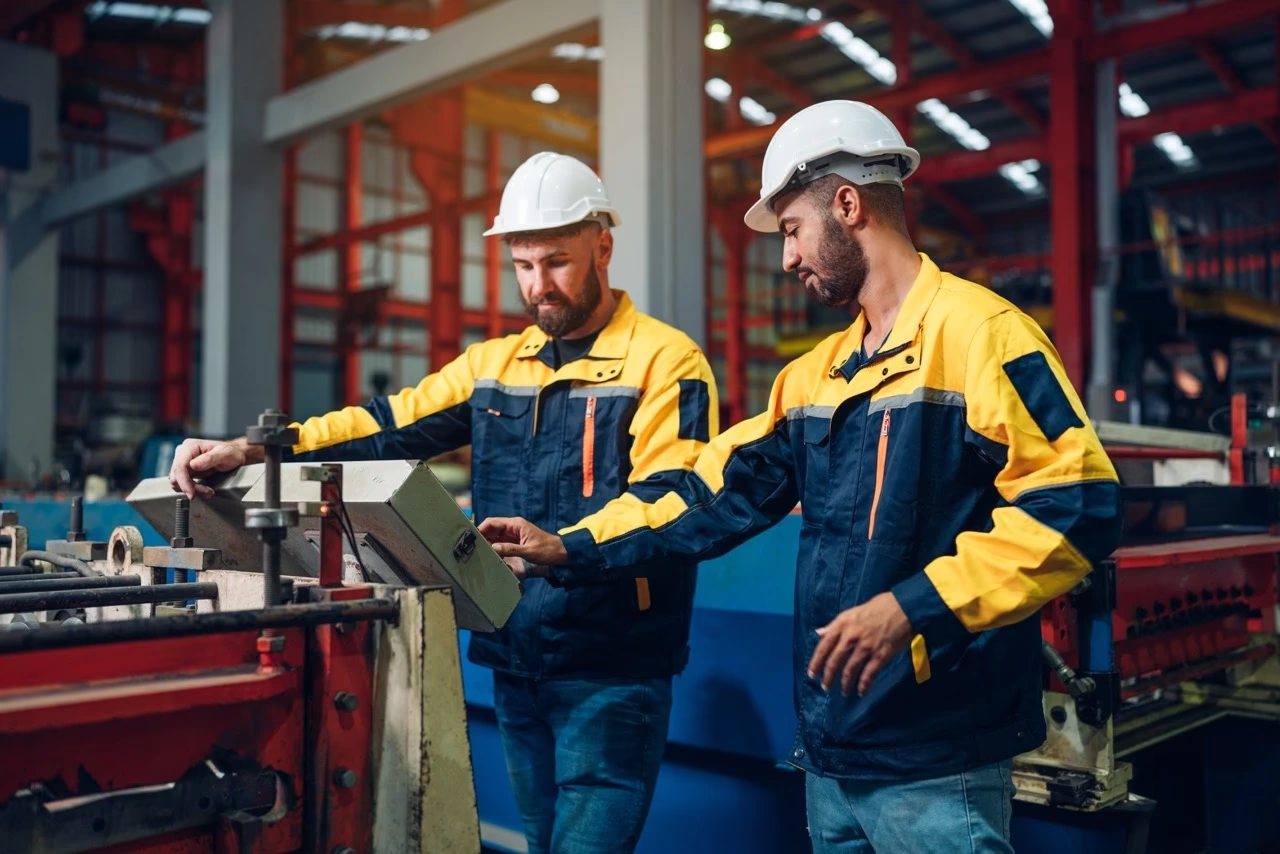
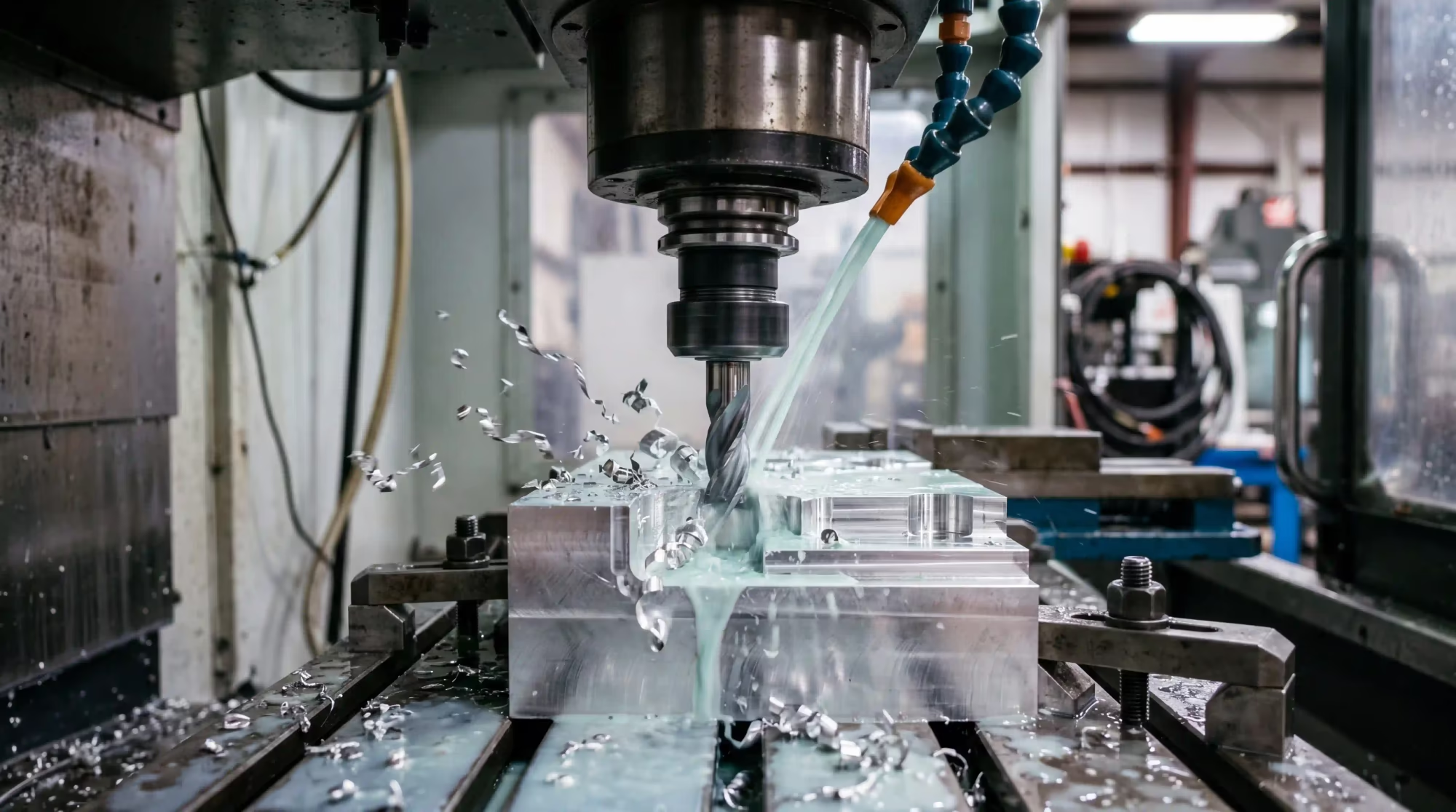
- Manufacturing: In factories, automation machines handle tasks such as welding, assembly, and quality control.
- Healthcare: Automated robots assist in surgeries, dispensing medication, and laboratory work.
- Agriculture: Automated farming equipment helps with planting, harvesting, and monitoring crops.
- Logistics: Automation machines manage warehousing, sorting, and distribution in e-commerce and logistics.
- Space Exploration: Robots and automation play a vital role in space missions, where human presence is limited.
Challenges and Ethical Considerations
While automation brings immense benefits, it also poses challenges such as job displacement and ethical dilemmas. Automation machine designers must consider the social and ethical implications of their creations and work towards solutions that benefit society as a whole.
In conclusion, automation machine design is not merely about building machines; it’s about shaping the future. The art lies in creating machines that enhance human capabilities, improve safety, and drive progress across various industries. As we continue to push the boundaries of what’s possible, automation machine design will remain a cornerstone of designing tomorrow’s world. It’s a field where innovation and creativity converge to create a brighter, more efficient, and technologically advanced future for all of us.
Contact us for more information.