

"Under one roof" is a phrase many manufacturers use. The clearest way to show what it means is to follow a part through the building.
Here is the path a typical fabricated component can take at JGW Machine, from raw material to a finished part ready to ship.
Step 1: Engineering Review
Before production begins, drawings are reviewed by our Engineering team. This is where manufacturability questions are raised early, and where the production sequence for the part is planned.
Step 2: Cutting and Profiling
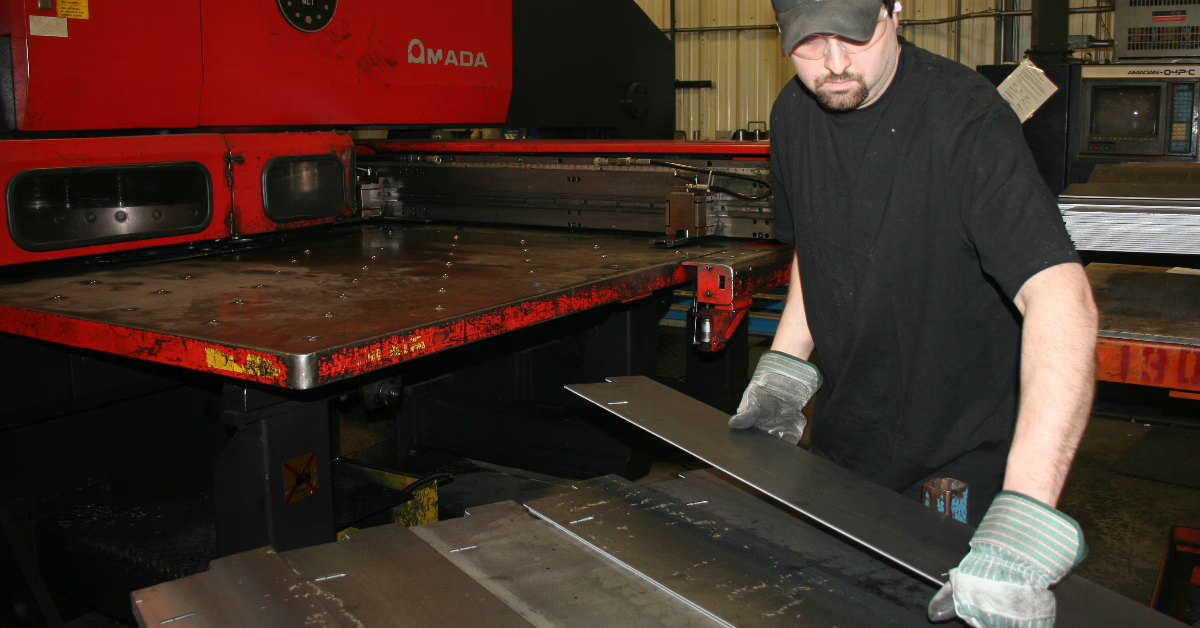
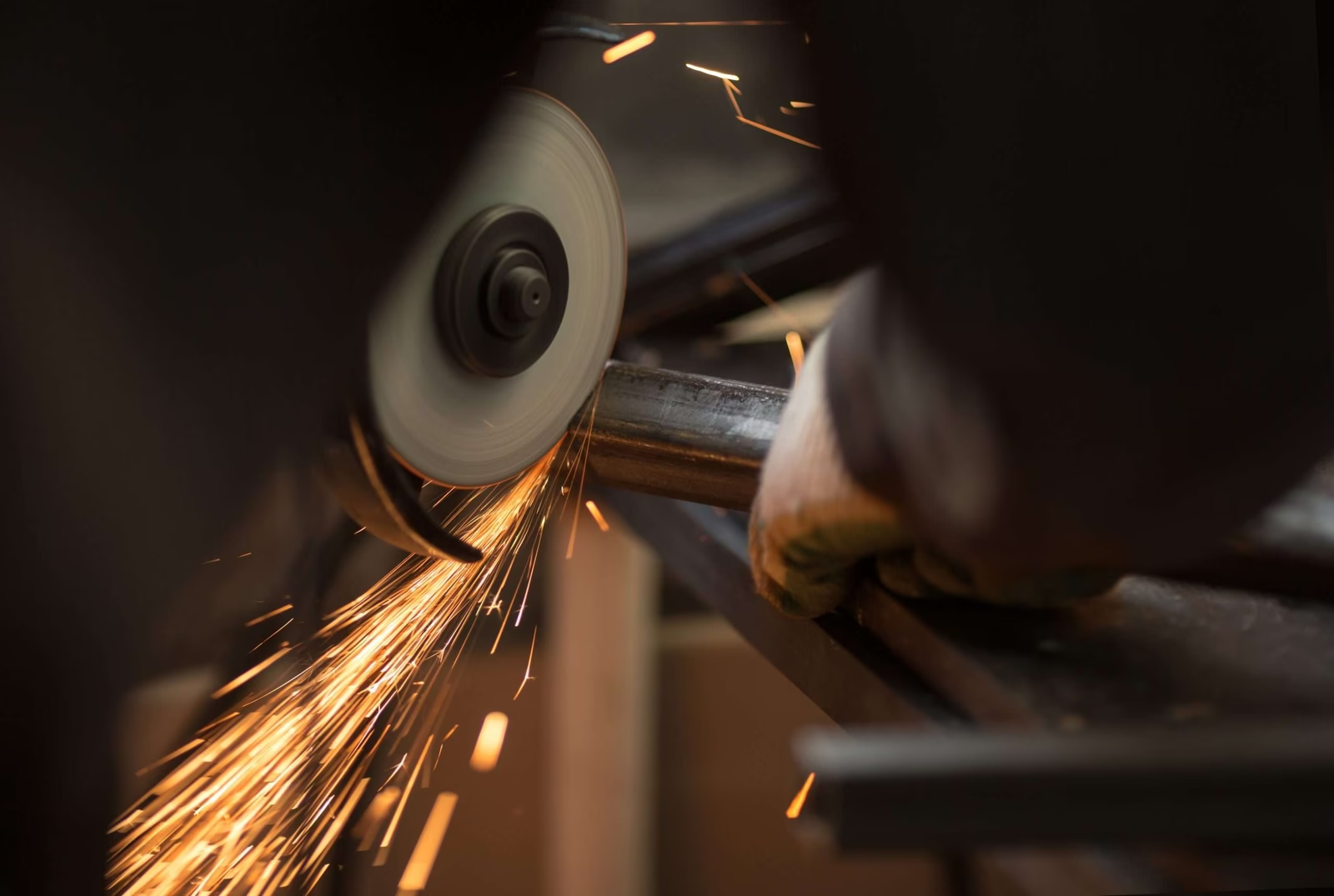
Flat sheet is profiled on our Amada LCG3015 AJ 6kW fiber laser, which processes sheets up to 60 x 120 inches and material up to 1 inch thick, with automated loading and unloading. Parts with formed features, such as louvres or extrusions, may run on one of our Amada turret punch presses instead. Round stock and bar are cut to length on our cut-off saws, including a KASTO twin bundling saw that handles material up to 16 inches.
Step 3: Forming
Cut blanks move to forming. JGW runs multiple press brakes, including Amada and Prima Power servo-electric machines. Round and conical parts can instead be formed on our manual or CNC metal spinning lathes.
Step 4: Hardware Insertion
Where a design calls for threaded nuts, studs, or standoffs, they are installed on our Haeger hydraulic hardware insertion machine, directly in the production flow.
Step 5: Welding
Assemblies are joined in our welding department. Repeatable, higher-volume work runs through our robotic welding cells, while prototypes, low volumes, and complex assemblies are welded by hand on MIG, TIG, and stick stations. Spot welding is also available for sheet assemblies.
Step 6: Machining
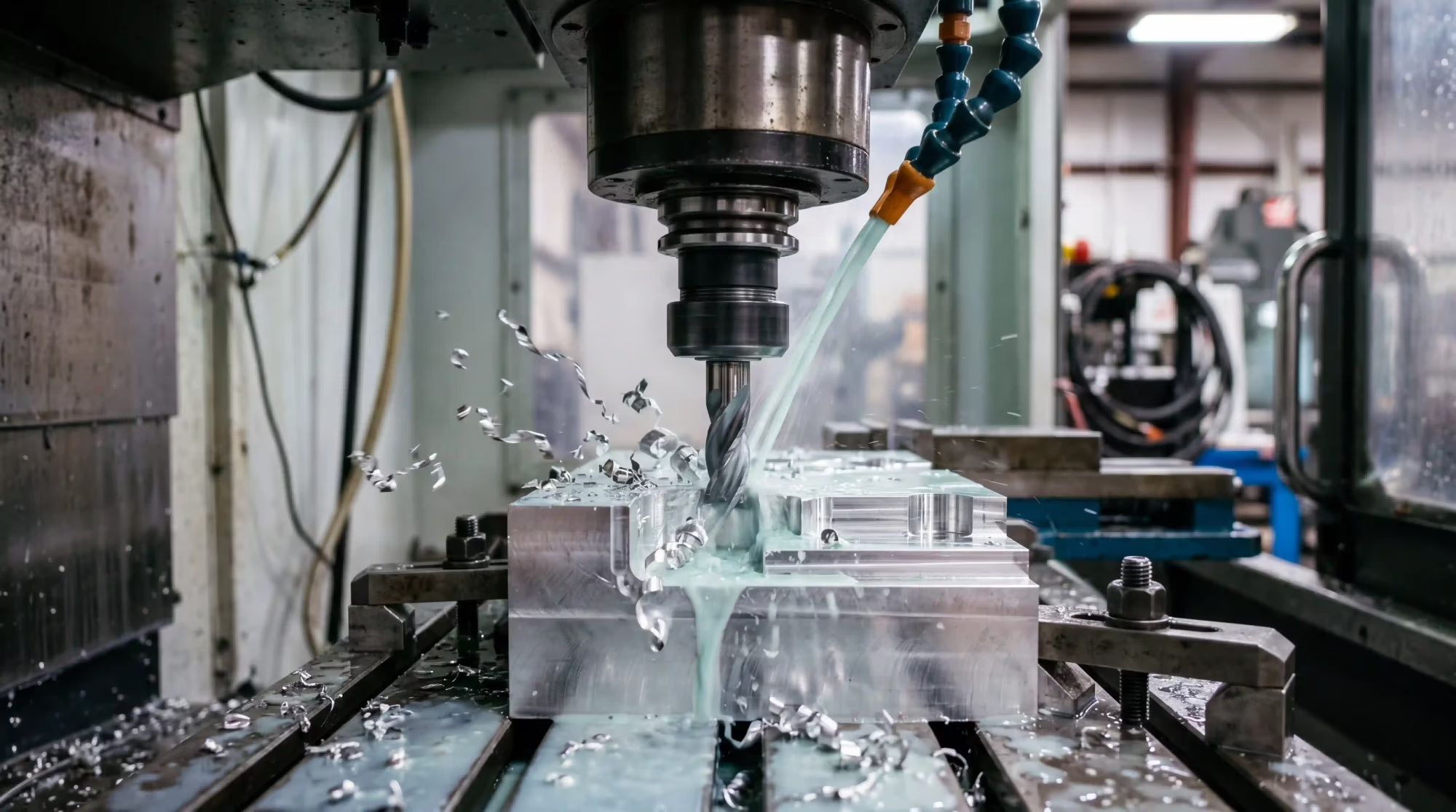
Parts requiring precision features move to CNC machining. Our Okuma horizontal and vertical machining centres, multi-function turning centres, and CNC lathes add bores, threads, and tight-tolerance features that fabrication alone cannot deliver.
Step 7: Finishing
Parts are cleaned through an inline three-stage iron phosphate wash and powder coated on our 600-foot conveyorized paint line, in custom or stock colours and textures.
Step 8: Marking, Assembly, and Shipping
Parts can be permanently marked for traceability, assembled into larger components or electro-mechanical assemblies, and packaged to customer specifications for shipment across North America.
Why the Sequence Matters
Every time a part leaves one facility for another, it adds transit time, handling risk, and another point where accountability can blur. When every step happens in one building, the schedule is managed by one team and quality is held to one standard from start to finish. For more on how this keeps programs moving, see How Integrated Fabrication Capabilities Help Manufacturers Stay on Schedule and From Prototype to Production Run.
Not every part needs every step. The advantage is that when yours does, it does not need to leave.
JGW Machine has been manufacturing precision components in Southwestern Ontario since 1953, from our 100,000 square foot facility in Princeton, Ontario.
Contact JGW to see how your part would move through our facility.
One facility. One team. One standard. Contact JGW Machine today.
sales@jgwmachine.com | 519.458.4882